Anam Circle Logo A think tank preparing new generations for a 21st-century planet.
How We Think

Decoding Complexity. Designing Resilience.

Anam Circle utilizes systems thinking to bridge the gap between ecological research and regional policy, identifying the hidden connections that drive systemic change.

Systems Thinking Methodology

Systems Mapping: We look beyond isolated events to find the patterns and structures that govern ecoregional health.

Shifting the Perspective

Systems thinking allows us to solve the root cause of regional volatility rather than just treating the symptoms.

The Anam Circle Framework

We don't solve problems in isolation. We identify the "leverage points" where ecological health, economic stability, and social equity intersect.

The Nexus Concept

The Nexus Strategy

A "Nexus" is a connection point between seemingly unrelated systems. By mapping the New York Capital Region's resource flows, we identify where a single challenge—like organic waste—can be reimagined as a solution for regional energy or soil health.

Our analysis reveals these overlaps, allowing municipal leaders to bypass "either/or" thinking and move toward "both/and" solutions.

Operational Logic

Cascading Effects

In a system, no action is a straight line. Every policy choice creates ripples. Anam Circle models these "cascades" to predict unintended consequences and maximize positive outcomes across the ecoregion.

1
Identify Leverage Point: Finding the smallest change with the biggest impact.
2
Map Interactions: Simulating how Sector A affects Sectors B and C.
3
Design for Resilience: Creating policy that grows stronger under stress.
Ecoregional Strategy

Closing the Loop in the NY Capital Region

Geography is our primary filter. Anam Circle maps the movement of energy, materials, and capital within our specific ecoregion to ensure that resources aren't just used—they are retained.

Plugging the "Wealth Leak"

By identifying regional biological feedstocks (timber, agriculture, waste), we replace extractive global imports with restorative local loops.

Regenerative
Core

Bio-Feedstocks
Local Production
Regional Wealth
Nutrient Return

How We Deliver Analysis

A rigorous, multi-phase methodology designed for regional complexity.

Phase 01: Scanning

Multi-Dimensional Data Collection

We begin by scanning the ecoregion's existing resource flows—biological, economic, and social. We don't just look at spreadsheets; we identify the "hidden" assets of the NY Capital Region.

Phase 02: Mapping

Systems Visualization

Using systems thinking tools, we map the feedback loops and nexus points. This phase visualizes where a policy in one sector creates a ripple effect (the cascade) in another.

Phase 03: Modeling

Resilience Simulation

We model various interventions to test for long-term stability. Our goal is to find the "Leverage Points"—the specific changes that provide the greatest restorative impact for the least amount of disruption.

Phase 04: Implementation

Polycentric Governance Design

Finally, we deliver the framework. We provide municipal and community leaders with the tools, ordinances, and network designs needed to manage their new circular bioeconomy locally.

Spatial Intelligence

Mapping the Ecoregion

We analyze the Capital Region through biological layers rather than political ones.
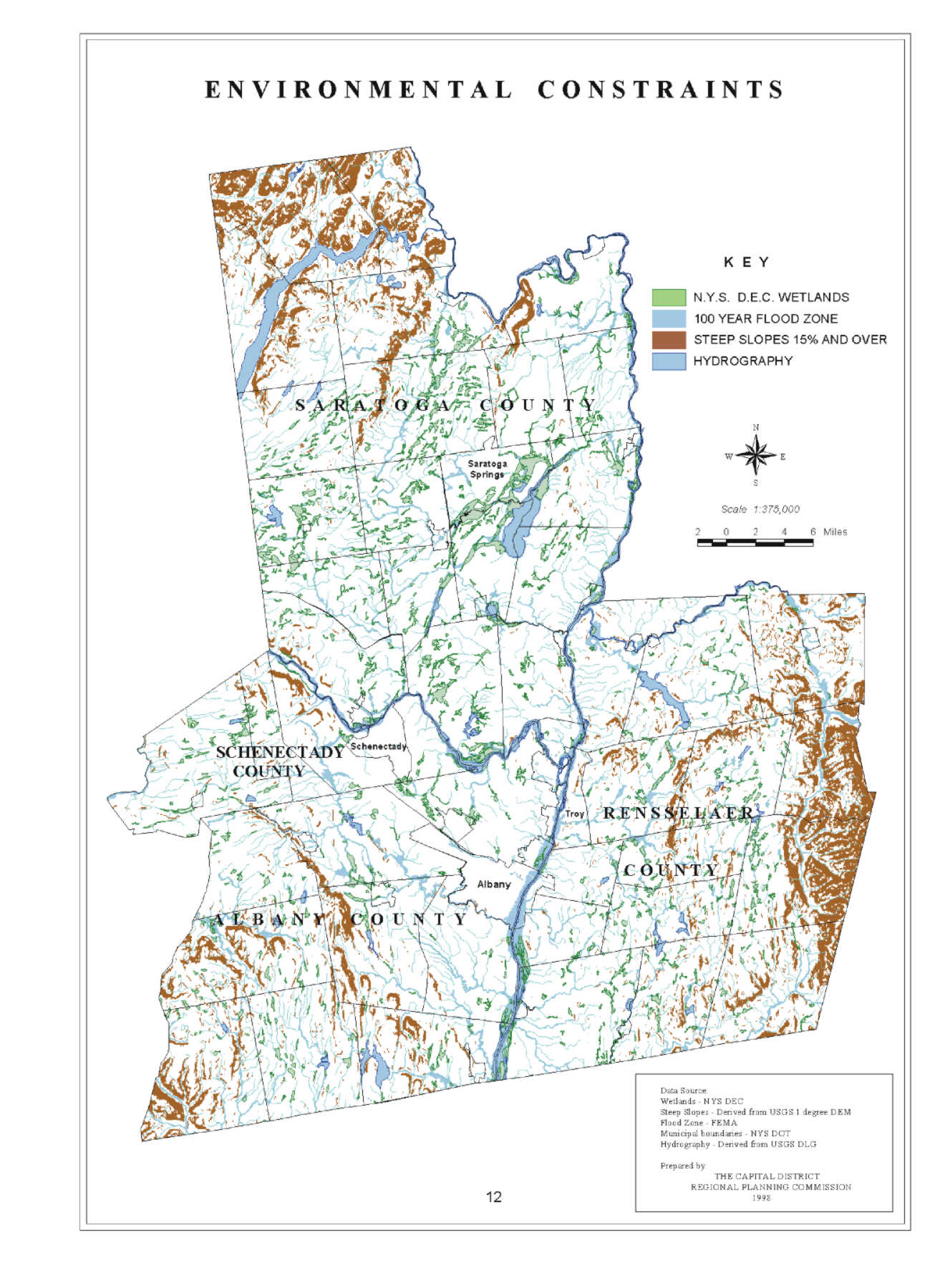
Capital Region Ecoregion Map
Hudson Watershed
Adirondack Corridor

The Hydrosphere

Mapping water basins and floodplains to identify regional vulnerabilities and opportunities for natural irrigation and filtration.

The Biosphere

Identifying wildlife corridors and forest health to preserve the ecological services that the regional economy depends on.

The Foodshed

Analyzing the proximity of agricultural production to urban centers to minimize "food miles" and maximize nutrient density.

The Energyshed

Scanning the landscape for decentralized renewable potential (wind, solar, hydro) that aligns with regional geography.

Ready to Map Your Region's Resilience?

Connect with Anam Circle to apply systems thinking to your municipality, organization, or regional project.